GRISEM26 with .msg in Lithuania
How must land forces prepare for a battlefield that is increasingly shaped by unmanned systems, distributed sensors, high tempo and ever shorter reaction times?
This question cannot be answered in concept papers alone. Modern capabilities have to be examined and tested where they are later expected to take effect: in the terrain and in interaction with the soldiers who operate them.
This was the approach taken by the Griffin Seminar 2026, held in the Baltics in late October. The seminar focused on the requirements for the joint defense of NATO's eastern flank in the region. The army leaderships of Germany and the Netherlands, together with their Baltic partners, reconnoitered potential areas of operation and examined the operational conditions on site. This included Lithuania, where Germany is permanently stationing Panzerbrigade 45 "Litauen" (45 Armoured Brigade) as a standing contribution to deterrence and defense.
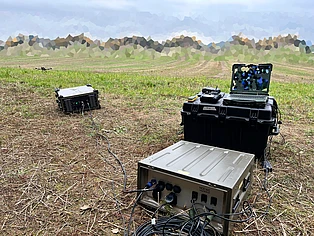
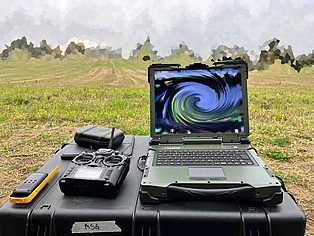
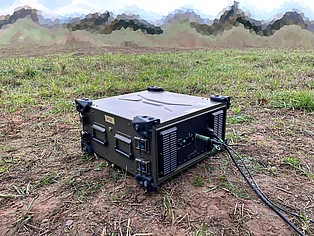
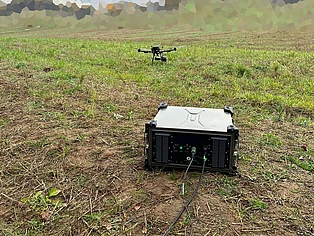
On site, the system was operated by msg Defence & Aerospace. VALOFLY's TGS rackTether is used together with the ORKA drone from CiS GmbH to bring different sensor types into the air. The tether supplies the drone with continuous power and transfers its sensor data to the ground via fiber optics, so the sensors can remain at altitude for as long as the situation requires.
One key finding: maps, tabletop exercises and simulations are indispensable, but they do not replace engagement with the real terrain and the actual conditions of an operation. Forests, limited lines of sight and short distances to the border decide where sensors and unmanned systems can be positioned and how long they have to remain on station.